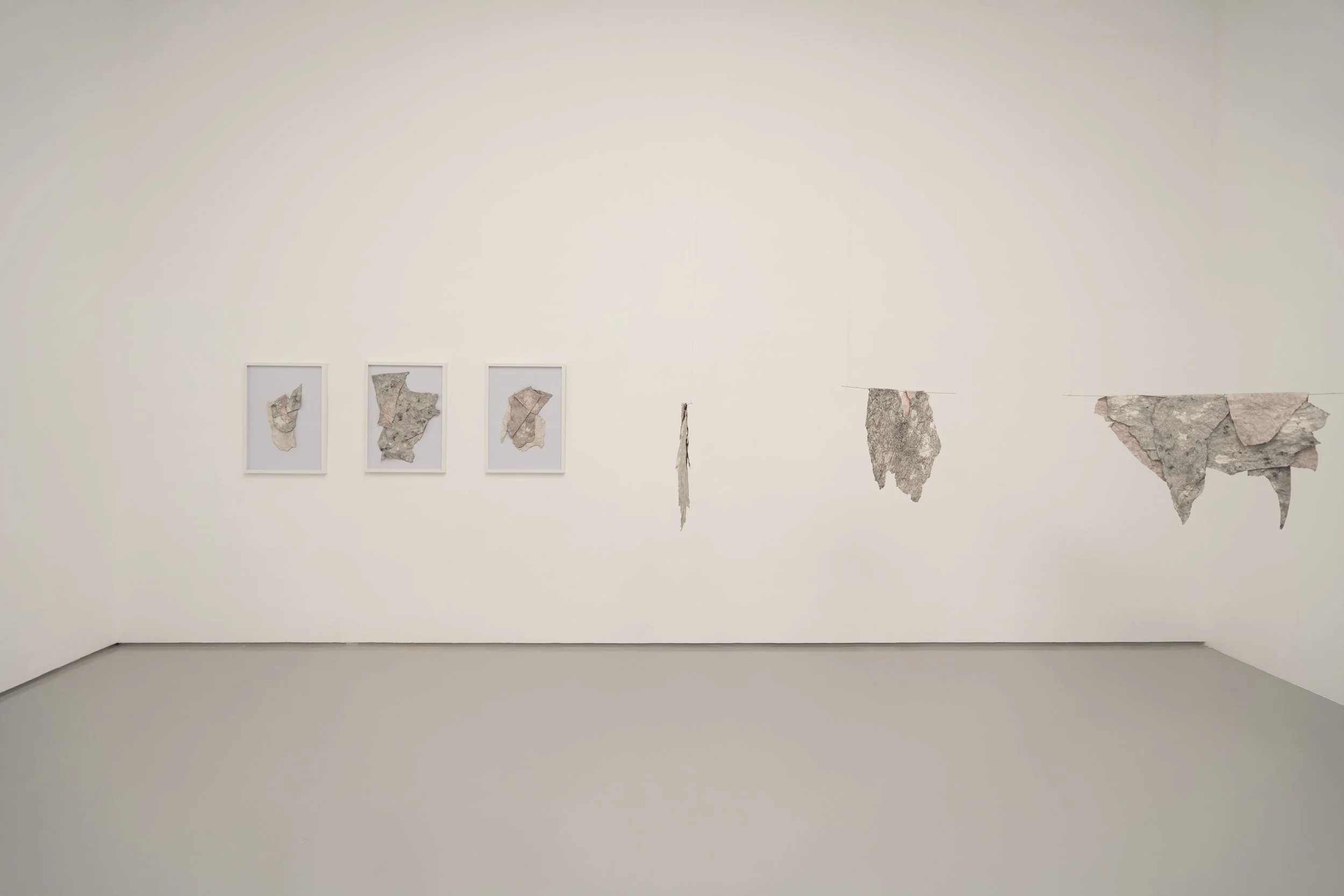
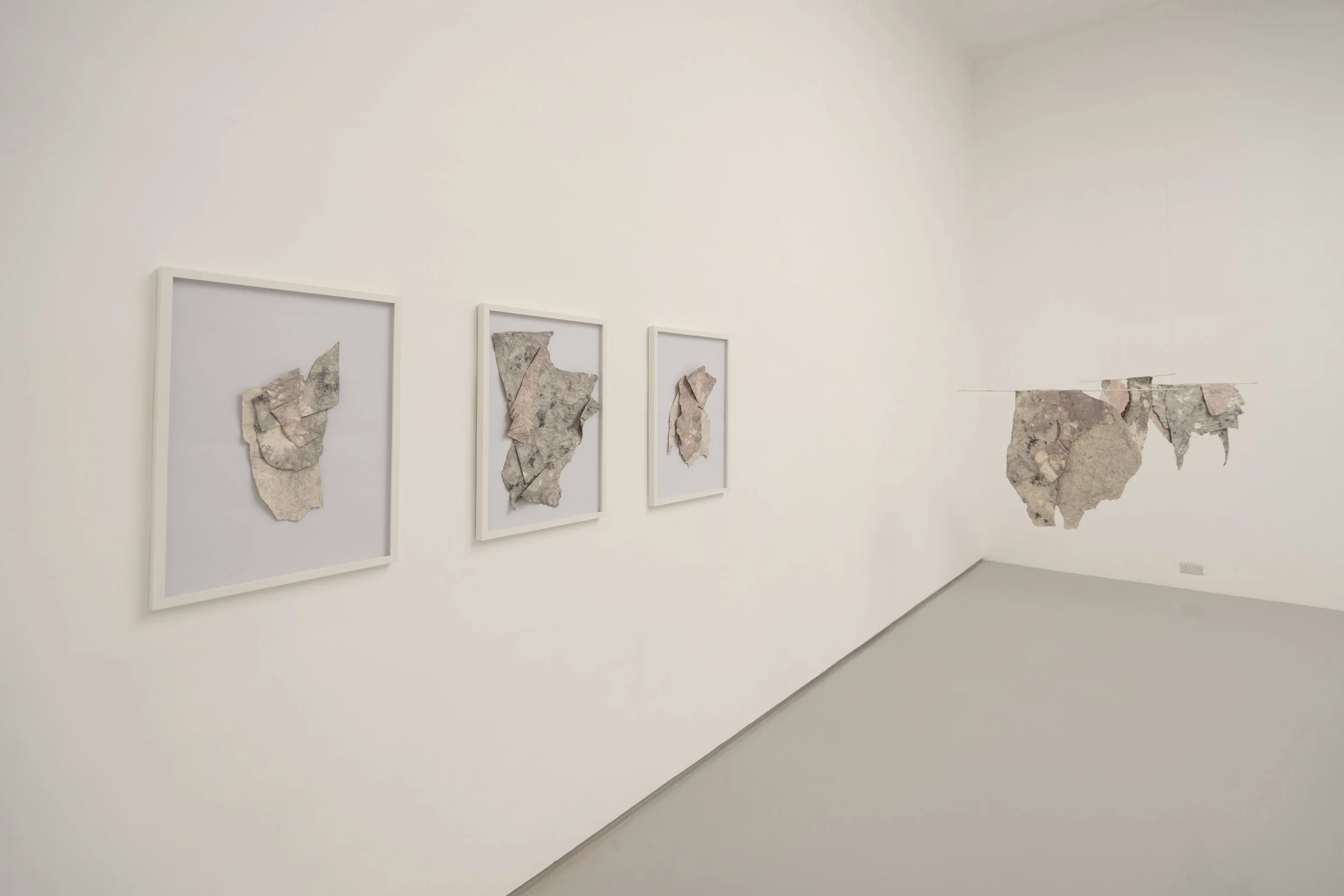
Material Terrain explores terrain through an uncertain shift of scale, texture, and form. The works begin with an attention to surfaces and the physical conditions of environments, but resist settling into a fixed sense of place. What appears expansive can also feel strangely close; a surface that suggests a landscape seen from above may equally resemble a fragment of matter observed at a microscopic scale.
Across the works, forms emerge through processes of layering, rubbing, marking, staining, tearing and transforming the surface of the paper. These gestures retain something of the physical world while removing the certainty of its source. Texture becomes a way of approaching terrain without describing it directly, allowing the material qualities of a place to become more important than its recognisable image. The works move between the geological and the bodily, the distant and the intimate, the observed and the imagined.
Rather than depicting specific landscapes, Material Terrain considers how terrain might be experienced through its traces. The works remain deliberately unresolved, inviting the viewer to move between different scales and readings, where what appears to be a vast expanse may become a fragment, and what seems minute may open into an entire landscape.
(Images courtesy of Mussawir Contemporary)
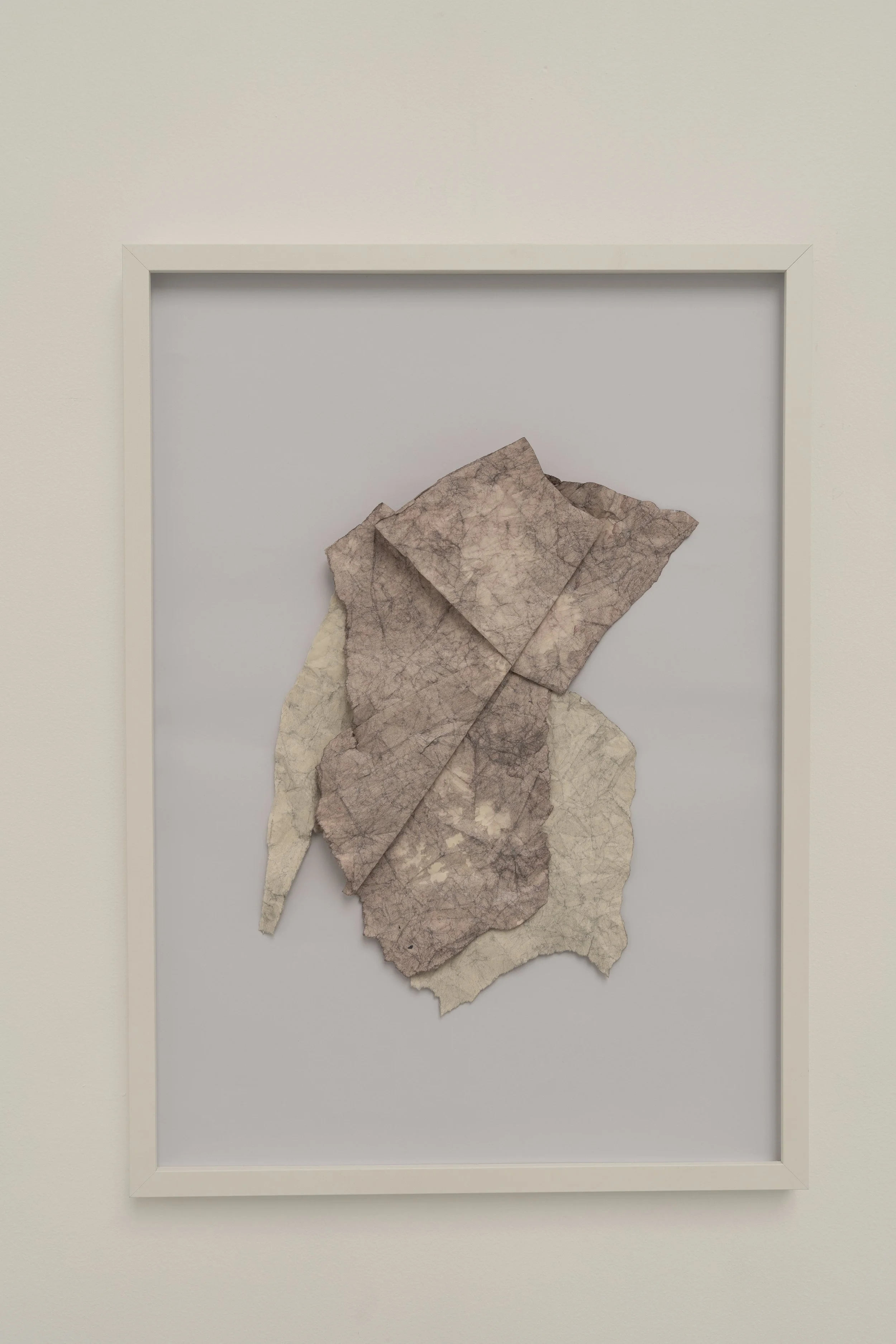
Material Terrain 5 | Acrylic on paper | 50 x 70 cm | 2026
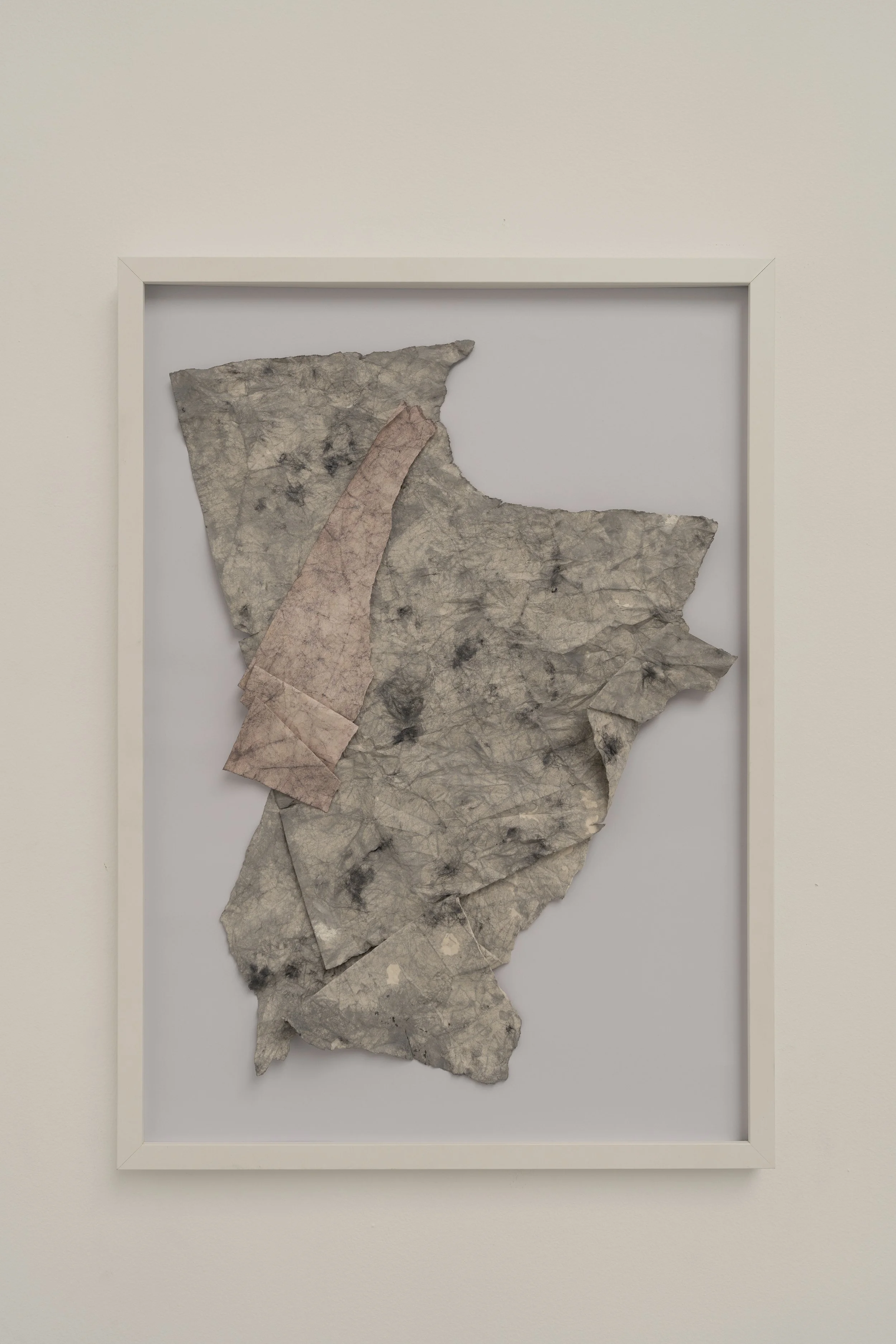
Material Terrain 6 | Acrylic on paper | 50 x 70 cm | 2026
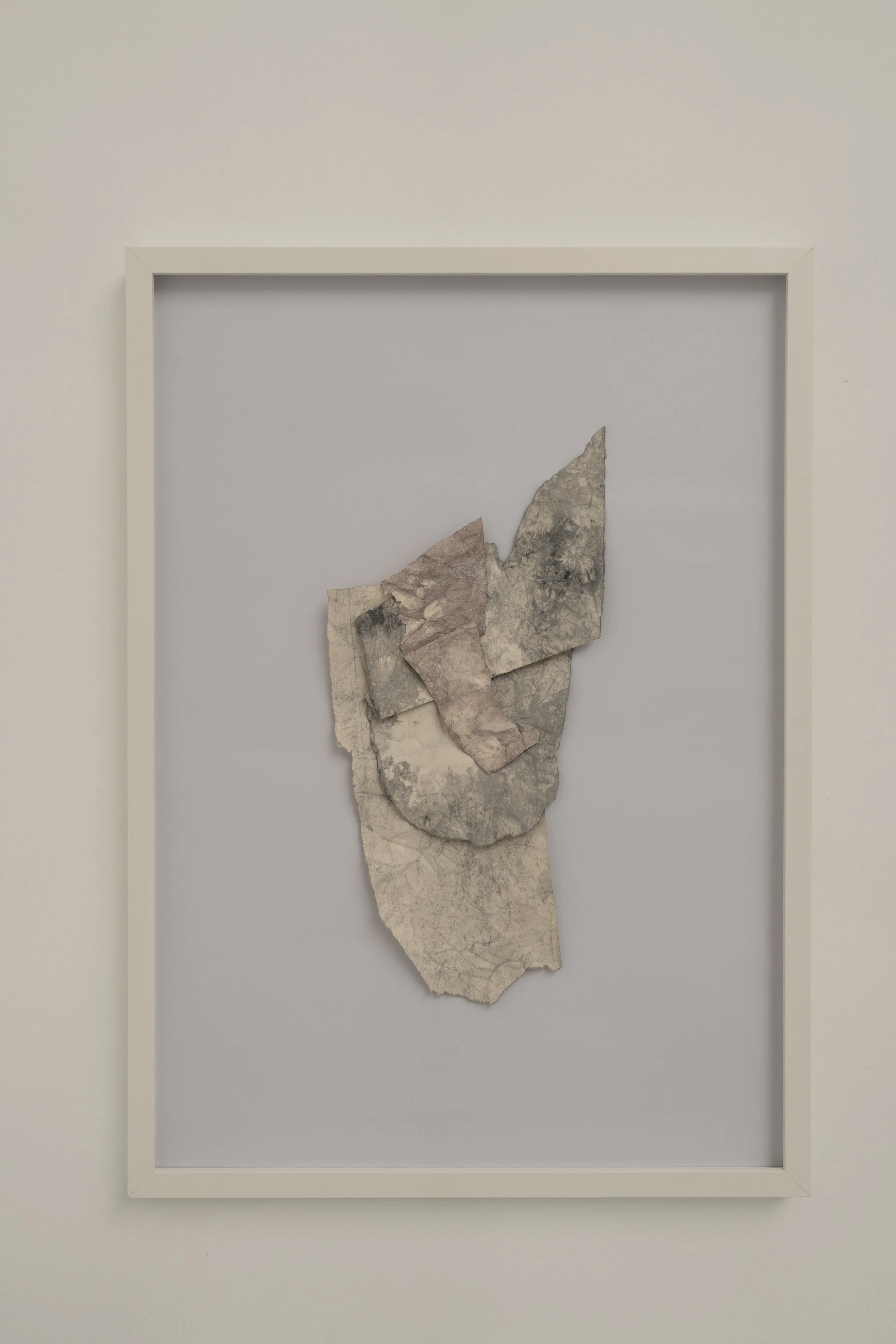
Material Terrain 4 | Acrylic on paper | 50 x 70 cm | 2026
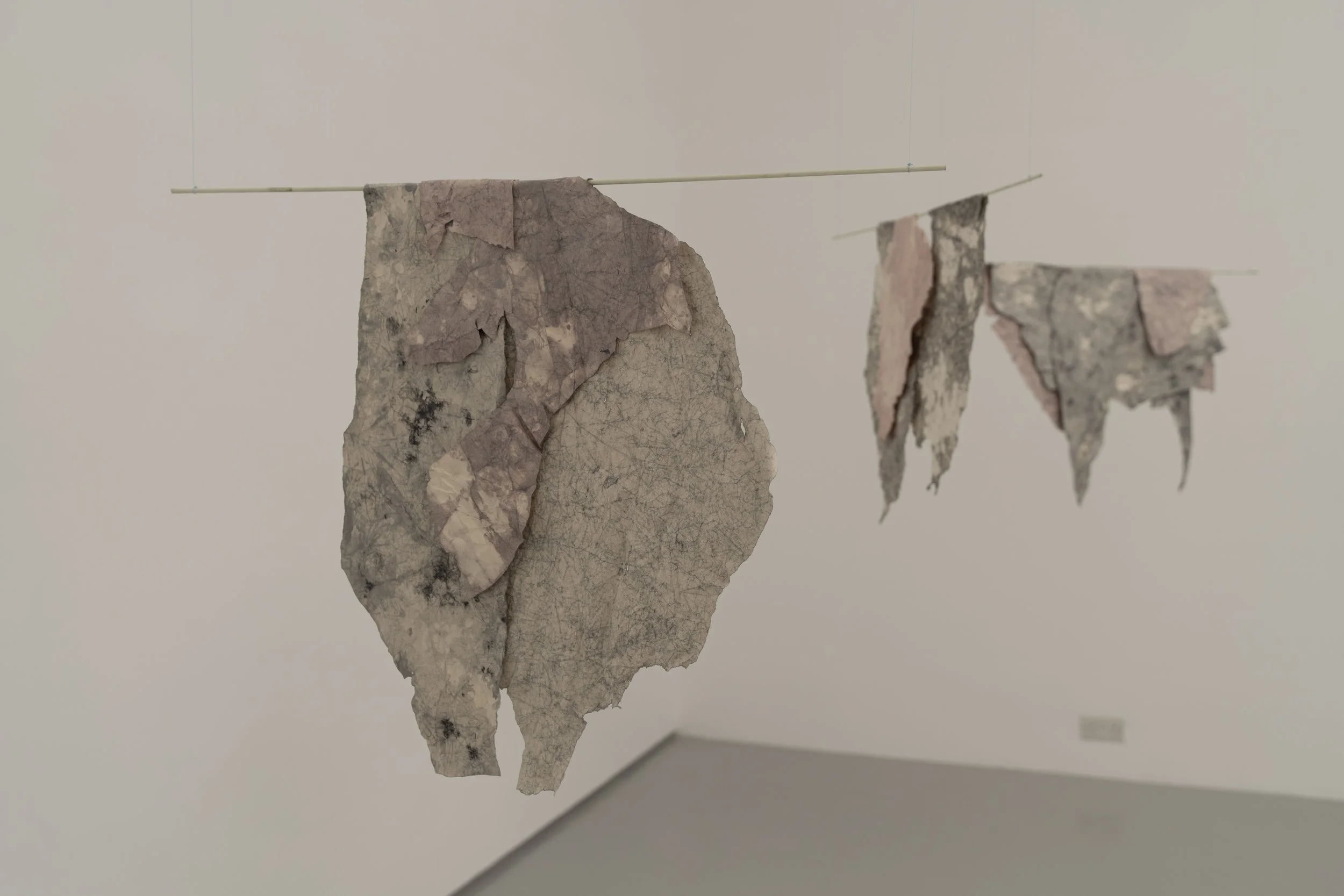
Material Terrain 2 | Acrylic on paper | 52 x 61 cm | 2026
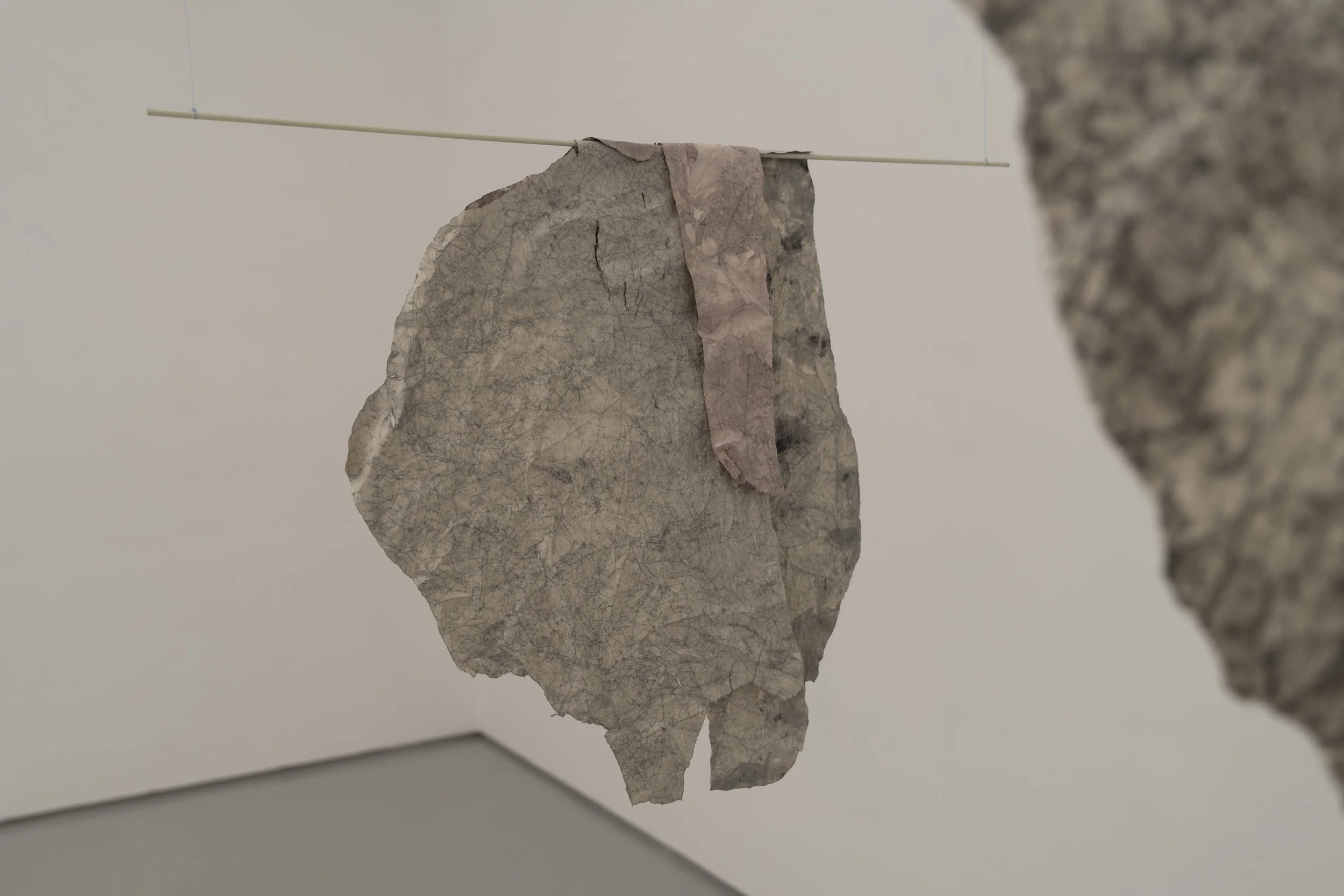
Material Terrain 2 | Acrylic on paper | 52 x 61 cm | 2026
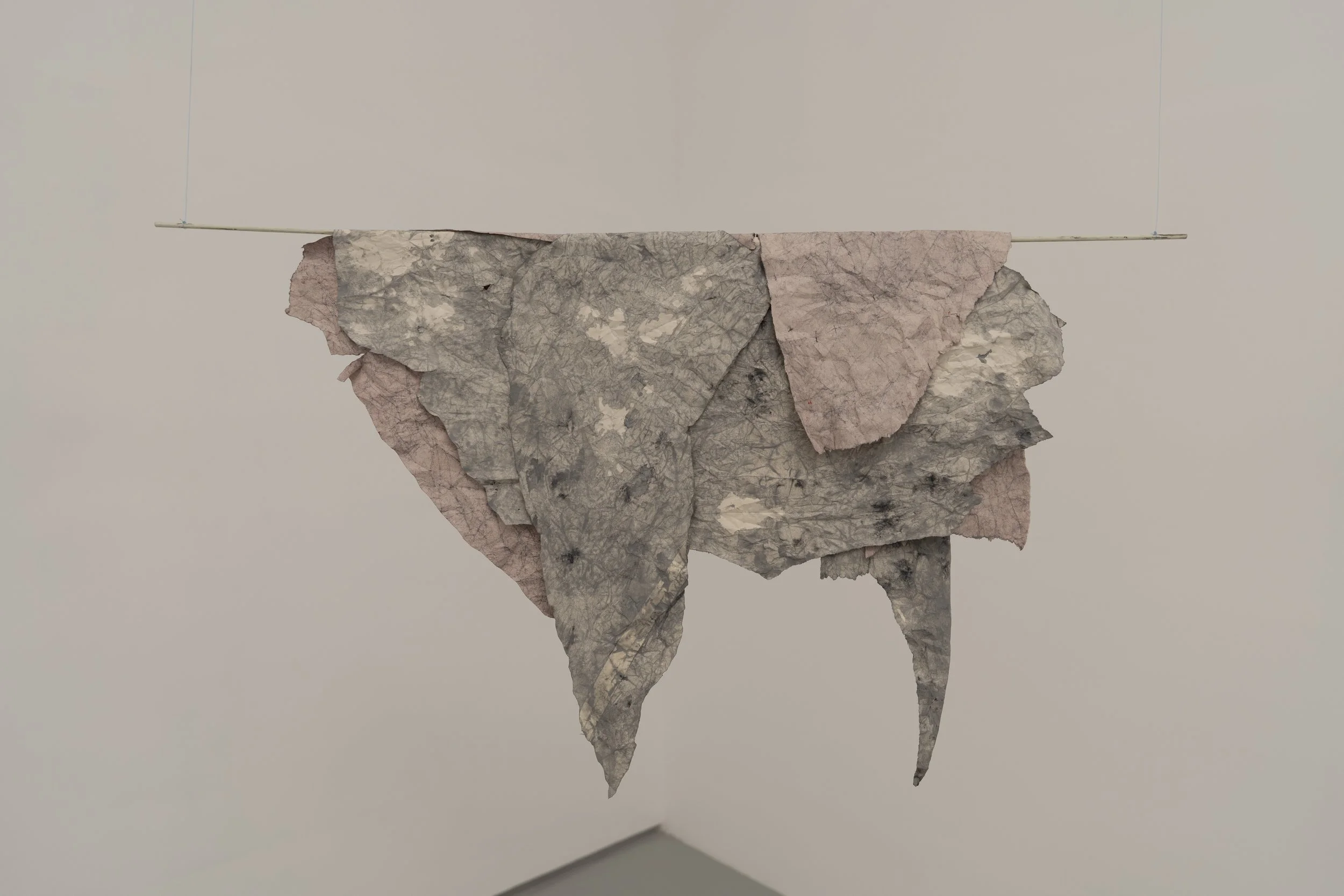
Material Terrain 1 | Acrylic on paper | 71 x 57 cm | 2026
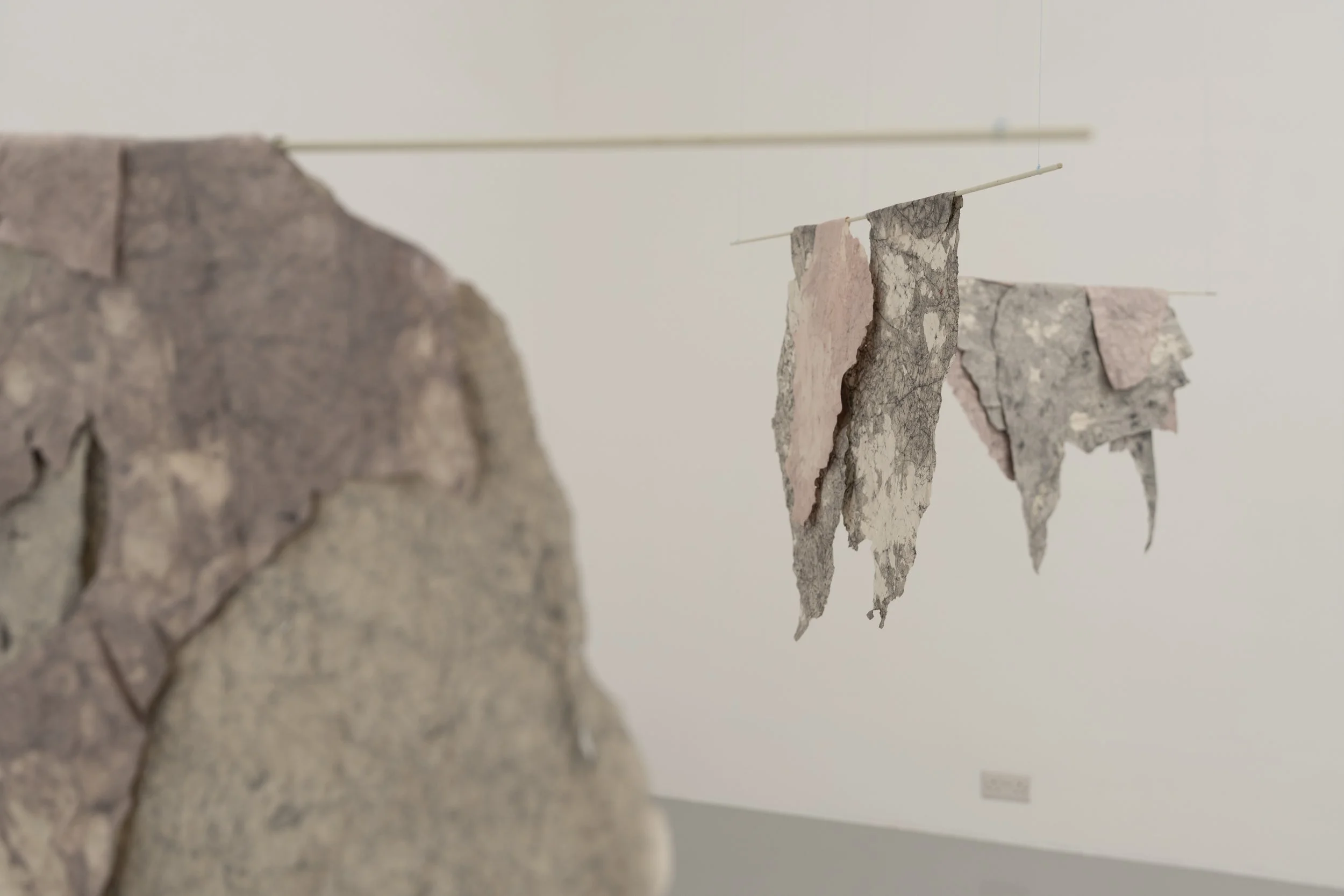
Material Terrain 1 | Acrylic on paper | 71 x 57 cm | 2026
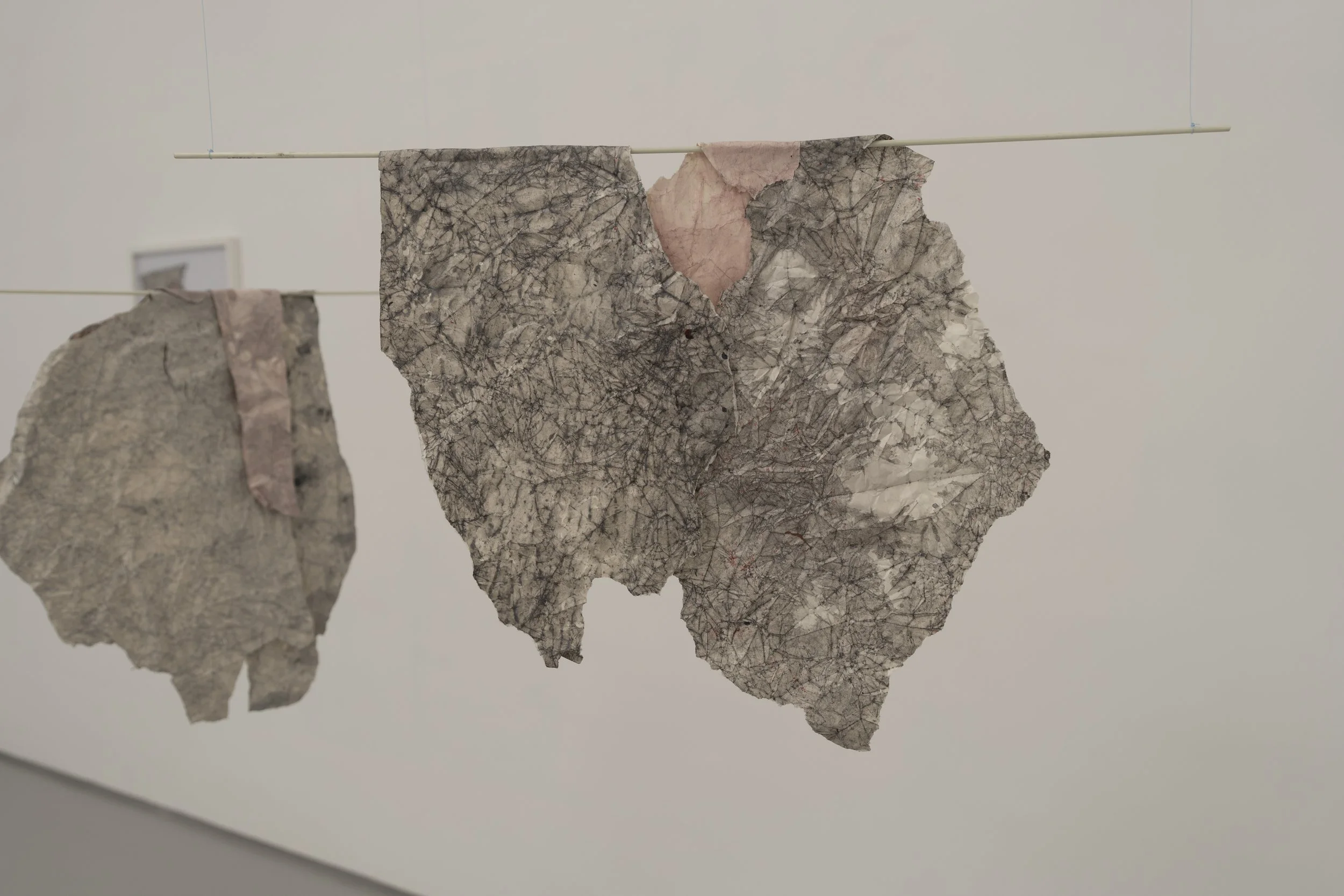
Material Terrain 3 | Acrylic on paper | 57 x 43 cm | 2026